When graduate students arrive on campus for the first time, many of them coming from distant states or other countries, their first days can feel isolating as they navigate choosing a lab and research focus, deciding where to live, securing employment, and building new friendships. These challenges can feel even more intense within small cohorts and highly specialized departments.
“Sometimes we overestimate how much knowledge incoming students will have about the culture of graduate school,” said Shawna Smith, School of Molecular & Cellular Biology PhD Programs Coordinator. “In actuality, graduate students may not always be aware of the expectations placed upon them.”
It’s for that very reason that the School of MCB launched its Graduate Peer Mentor Program in Fall 2025. PhD students from all four departments (Biochemistry, Cell & Developmental Biology, Microbiology, Molecular & Integrative Physiology) plus the biophysics program participate. Through this program, organizers hope incoming graduate students will be able to find a sense of community and support as they navigate their PhD.
"There’s a wealth of published research describing the many benefits of high-quality mentorship for students. Students who are well mentored are more likely to persist in their programs, develop stronger scientific identity, and are more productive,” said Dr. Jhewelle Fitz-Henley, the school’s Assistant Director of Diversity, Equity, Inclusion, and Outreach.
All incoming PhD students are given the opportunity to be matched with a peer mentor. If they express interest, they will be assigned to a more senior PhD student in their program. This pairing will occur in the summer, allowing them to form meaningful connections and belonging even before moving to campus.
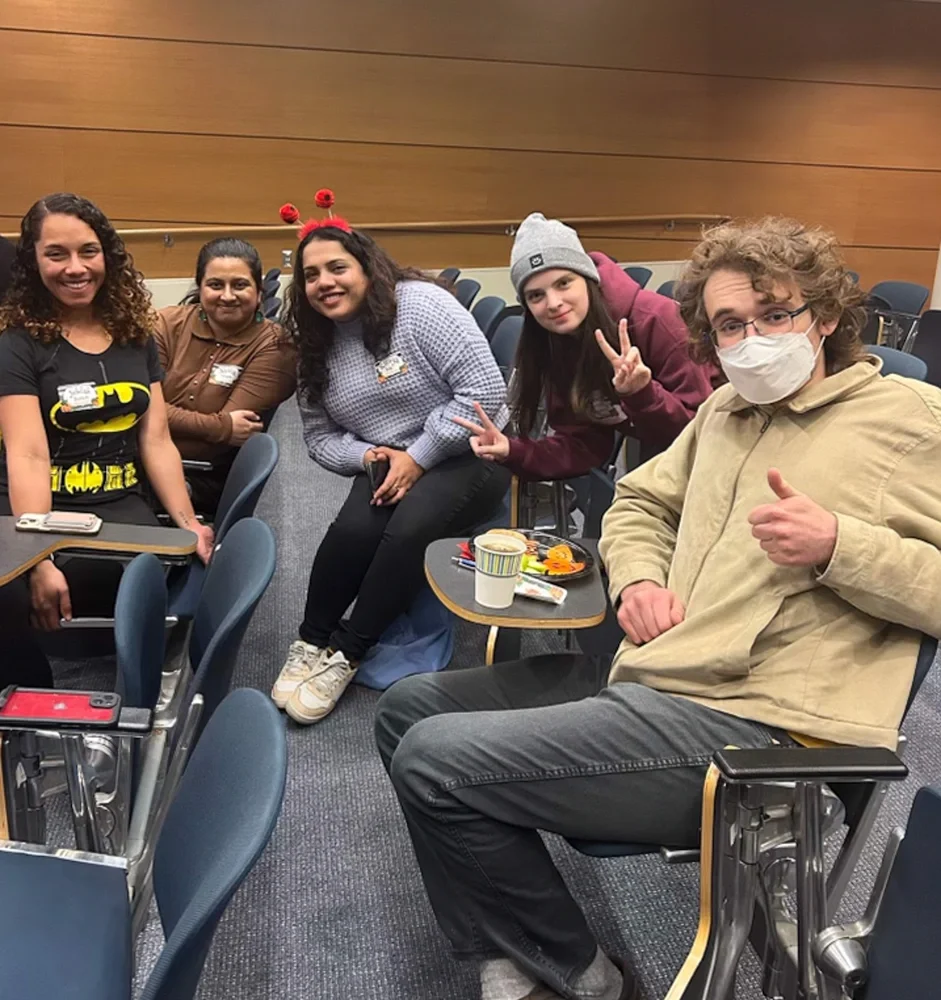
The program fosters community by matching mentees with mentors based on the support they seek. For example, pairing student parents with fellow parents. To strengthen these relationships and encourage continued growth, the program hosts social events and requires monthly check-ins.
“I wish we had this amazing program to guide us through the difficulties of grad school,” said Bidisha Chakraborty, a peer mentor and a third-year graduate student in biophysics. “Although my peers and seniors were amazing, having a person to go to and talk to about any difficulty I might be having would have made it a lot easier.”
Looking ahead, another goal of the program is to support mentors by providing professional development opportunities that strengthen their leadership skills.
That impact is reflected in the experiences of current mentors. “I truly value the opportunity to encourage and support my mentees, and in doing so, I find myself equally inspired,” said Suhail Chhakara, a fourth-year PhD student in the Department of Microbiology.
“Participating in the program as a mentor helped me become more empathetic, putting myself in others’ shoes and understanding the situations my mentees might be facing,” Chakraborty said.
Building on its early successes, the peer mentor program anticipates continued growth and evolution within the community.
“I really hope it has lasting effects on the graduate student community across the school,” Fitz-Henley said. “It is nice to know that every group of incoming first year graduate students will have an opportunity to have someone to go to from their very first day in their program.”