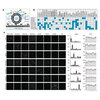
Phospholipid-protein interactions play an essential role in the regulation of many important cellular processes. The largest family of putative lipid-binding proteins contain the pleckstrin homology (PH) domain. Previous studies in the field estimate that approximately 10 percent of the PH protein...
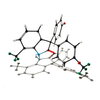
A new approach to treating breast cancer kills 95-100% of cancer cells in mouse models of human estrogen-receptor-positive breast cancers and their metastases in bone, brain, liver and lungs. The newly developed drug, called ErSO, quickly shrinks even large tumors to undetectable levels.
Nine interdisciplinary projects designed by University of Illinois Urbana-Champaign faculty, including several from the School of Molecular & Cellular Biology, were selected for the Cancer Center at Illinois (CCIL) annual seed grant awards.
Scientists working to understand the cellular processes linking high cholesterol to breast cancer recurrence and metastasis report that a byproduct of cholesterol metabolism causes some cells to send out cancer-promoting signals to other cells. These signals are packaged in membrane-bound...
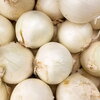
Since 1983, the bacteria Pantoea ananatis has been known to infect several important crops including onions, rice, and corn. It was unclear, however, what molecules were involved. A new study, published in mBio, has identified one of the culprits: pantaphos. Intriguingly, the researchers have...
The liver has a rare superpower among body organs – the ability to regenerate, even if 70% of its mass is removed. It also keeps up its metabolic and toxin-removing work during the process of regeneration, thanks to a subset of cells that expand their workload while the rest focus on multiplication...
Obesity is rising in prevalence and poses a major concern for the health of our general population. Currently affecting over one-third of the population of the United States, obesity is often comorbid with other diseases, such as diabetes, fatty liver disease, cardiovascular disease, and some...
Professor Wu was one of ten new faculty hires made in the School of Molecular and Cellular Biology in the last three years. Wu is an assistant professor of and is an affiliate of the Carl R. Woese Institute for Genomic Biology.
Current cancer treatments include drugs that target standard protein synthesis in cells, which can kill cancer cells, but also targets healthy cells. To address this issue, associate professor of biochemistry and Cancer Center at Illinois (CCIL) member, Hong Jin, is focusing on a non-canonical...